
HIRA Full Form in Safety Explained: And Resource Management Task That Delivers Incident-Wide Coordination
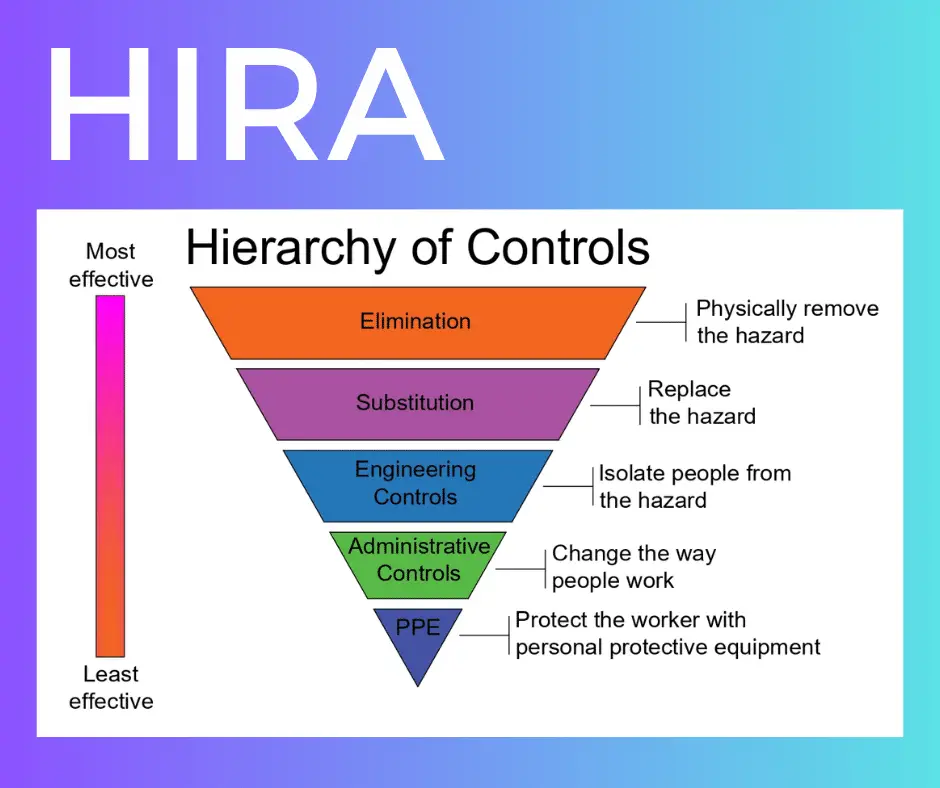
Identification of hazards and risk assessment is a very critical process when working in our industrial environment. The resource management activity that deploys resources is commonly referred to as resource deployment or mobilization. Personnel, equipment, and resources need to be allocated and utilized to make the effective execution of projects, initiatives, or operational duties possible.
Resource deployment plays an important role in resource management within many organizations because it ensures the successful and efficient execution of projects and initiatives, which also means that the organization has opportunities to maximize the use of its people and resources.
Resource management offers business stability by helping you get the most out of your resources. To optimize efficiency and keep things running smoothly, you’ll have to track how resources are used to avoid overuse and underuse, hence attaining control, profitability, and efficiency among the main benefits of resource management.
Which Resource Management Task allows coordination of resources during the incident?
Effective resource management task involves a managed approach to the allocation and exploitation of resources, including human, technological, and financial resources, for the accomplishment of organizational goals and objectives most effectively and efficiently as possible.
Some other resources, crucial elements to effective resource management are-
Resource planning is the process of determining, allocating, and managing resources such as people, money, and materials required by a project or organization for accomplishing goals. Effective planning of resources ensures their fullest utilization and minimizes the possibilities of bottlenecks to achieve objectives and deadlines with maximum productivity.
- Resource Allocation- Resource allocation is the process of identifying the availability and assigning the available resources-workforce, finance, equipment and tools to the right projects at the right time and at an accurate cost. The primary aim of resource allocation is to maximize the efficiency of the organization’s scarce human and non-human assets, minimize capacity wastage, and maintain the resource health index.
- Utilization- Resource utilization is a resource planning metric that shows how many resources are available to a project over a period. It enables project managers to spot instances of under and over-allocation of project resources. A resource utilization report indicates the rate at which resources are utilized to ascertain what resources are currently available and whether sufficient resources will be available to carry out future project activities.
- Monitoring and Evaluation- It is related but partly overlapping activities that serve similar purposes, ensuring that the campaign is run as effectively as possible, while learning from experience. Both activities are essential elements of effective campaign management. They review progress towards the campaign goal and objectives, as well as the factors that condition such progress.
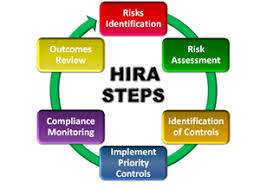
What is the Full Form of HIRA, and What is Meant by its Proactive Approach?
HIRA stands for Hazard Identification and Risk Assessment. It is a systematic process of identifying and highlighting the potential hazards to prevent any accidents, injuries, or illnesses. Through the process of analysing the potential risks and taking appropriate control measures, HIRA helps in providing a safer work environment and protecting the employees from harm.
Step 1: Identifying the Hazards
We take a walk around your workplace and focus on things that could potentially cause harm. We pay attention to significant hazards rather than minor issues.
Step 2: Risk Identification
We consider who might get hurt as a result of the hazards we have identified. This might be young or new workers, or anyone else at your workplace.
Step 3: Assess Risks and Precautions
We need to evaluate the risk and determine if the precautions in place are sufficient to prevent any harm. If this is high, we should re-evaluate the precautions until it is minimized. Ensure that we meet legal requirements and consider additional precautions if needed.
Step 4: Record your Findings
In your workplace, if you have more than 5 employees, document significant hazards and conclusions of your assessment. Also, inform employees about the findings.
Step 5: Review your Assessment
We review and update your risk assessment when there are significant changes. A good practice is that of an annual assessment to ensure your business is safe.
What is Resource Management?
Resource management is an activity of properly allocating, using, and monitoring available resources provided in different forms-people, money, and technology enable the achievement of some organizational goals and objectives. The objective of resource management is to ensure that the right resources are available in the right quantities, at the right time, and at the right price for maximum production and efficiency. Therefore, resource deployment requires proper planning and coordination because projects or initiatives must be completed on schedule and under budget. This is the case because the right resources must be in the right place at the right time.
Ensuring the availability and preparedness of essential resources for efficient deployment often involves this process of close coordination with a multitude of stakeholders at various levels, such as project managers, human resource departments, and even vendor or supplier management teams. This might involve coordination among multiple organizational units and even with clients and suppliers outside of the company itself. Effective management of resources can help a company enhance its productivity and reduce waste while achieving goals.

Which Resource Coordination Assists During an Incident?
Resource management facilitates the coordination of resources through tracking and reporting in case of an incident. ‘Track and Report’ is the process that controls and monitors resource usage during crises. Under this resource management task, resource managers track resources and their mobility across the organization. Only in the case of incidents, such as loss of operations, disrupted functions, and so on, is this approach adopted.
Resource Tracking- Resource tracking is the process of keeping track of any resource’s location and usage both inside and outside of an organization. It also assists staff in preparing to receive the resource while they are in movement. You can protect supplies, equipment, and personnel safety against any discrepancies with resource tracking. Basically, this process helps coordinate resources to ensure their mobility and efficient use throughout an incident.
Resource Reporting- It is the process through which resource metrics are collected, evaluated, and communicated. Resource reporting will ensure the status and progress of resources regarding their mobility and usage after tracking resource location, availability, and effectiveness. This helps in knowing the performance of the resources and what scope exists for improvements. Thus, as a resource management task, tracking and reporting allow the coordination of resources throughout the incident. Such collaboration in the task at hand has also facilitated resource utilization and development, allowing firms to move forward and achieve newer heights over the long term.
Conclusion
Resource management is a holistic approach by which businesses can stay one step ahead of the competition. A very well-planned and well-deployed resource can maximize organizational capability, leading to profitability and growth. In the case of an incident, the resource management team will facilitate the coordination between resources to move forward. Hence, the risk of non-identification of hazards needs to be managed in a similar way to how other business or quality risks are managed in an organization.